 Haritanjali Express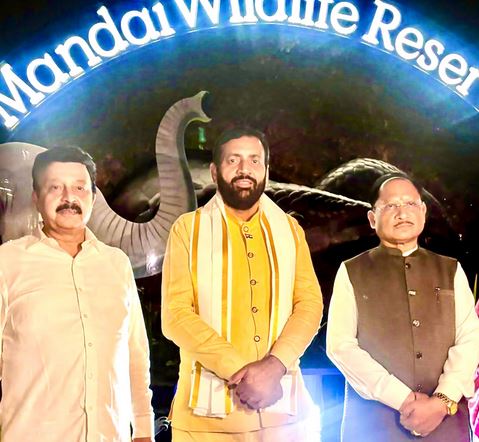
सिंगापुर के Mandai Wildlife Reserve में वन्यजीव संरक्षण और इको-टूरिज्म की व्यवस्थाएं देखीं
रायपुर/सिंगापुर। छत्तीसगढ़ के जंगलों और वन्यजीव संपदा को वैश्विक पर्यटन से जोड़ने की दिशा में मुख्यमंत्री विष्णु देव साय ने सिंगापुर के Mandai Wildlife Reserve का दौरा किया। उन्होंने वन्यजीव संरक्षण, प्राकृतिक आवास के प्रबंधन और पर्यटक सुविधाओं की आधुनिक व्यवस्था का अवलोकन किया। साय ने कहा कि सिंगापुर के अनुभवों से सीख लेकर छत्तीसगढ़ की प्राकृतिक परिस्थितियों के अनुरूप इको-टूरिज्म का ऐसा मॉडल विकसित किया जा सकता है, जिसमें संरक्षण के साथ पर्यटन और रोजगार को भी गति मिले।
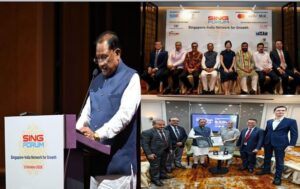
मुख्यमंत्री विष्णु देव साय ने हरियाणा के मुख्यमंत्री नायब सिंह सैनी के साथ मंडाई वाइल्डलाइफ रिजर्व का दौरा कर वन्यजीव संरक्षण और इको-टूरिज्म की व्यवस्थाएं देखीं। साय भारत सरकार के विदेश मंत्रालय के नामांकन पर सिंगापुर में आयोजित प्रथम सिंगापुर-इंडिया नेटवर्क फॉर ग्रोथ (SING) फोरम 2026 में भाग लेने पहुंचे हैं।
छत्तीसगढ़ की करीब 44 प्रतिशत भूमि वन क्षेत्र है। बस्तर से सरगुजा तक फैले जंगल, समृद्ध जैव-विविधता और राष्ट्रीय उद्यान-अभयारण्य राज्य को इको-टूरिज्म के लिए विशिष्ट आधार देते हैं। सरकार अब इन प्राकृतिक संसाधनों को बेहतर पर्यटक सुविधाओं और स्थानीय भागीदारी से जोड़कर पर्यटन की नई संभावनाएं तलाश रही है।
Mandai Wildlife Reserve में मुख्यमंत्री ने प्राकृतिक परिवेश में वन्यजीव संरक्षण, पर्यटकों के अनुभव, प्रबंधन व्यवस्था और जागरूकता गतिविधियों का अध्ययन किया। उन्होंने इस बात पर जोर दिया कि छत्तीसगढ़ में विकास का मॉडल उसकी अपनी भौगोलिक और जैव-विविधता संबंधी विशेषताओं के अनुरूप होना चाहिए।
साय ने कहा कि सिंगापुर की व्यवस्थाओं को हूबहू अपनाने के बजाय वहां के सफल अनुभवों को छत्तीसगढ़ की जरूरतों के अनुसार उपयोग में लाया जाएगा। लक्ष्य ऐसा इको-टूरिज्म मॉडल तैयार करना है, जिसमें जंगल और वन्यजीव सुरक्षित रहें तथा स्थानीय समुदायों, युवाओं और ग्रामीण क्षेत्रों के लिए आय के नए अवसर बनें।
बस्तर, कांगेर घाटी, अचानकमार, इंद्रावती और उदंती-सीतानदी जैसे क्षेत्र छत्तीसगढ़ की प्राकृतिक पर्यटन क्षमता को दर्शाते हैं। इन क्षेत्रों में संरक्षण, स्थानीय भागीदारी और आधुनिक पर्यटन सुविधाओं का बेहतर समन्वय राज्य को राष्ट्रीय ही नहीं, अंतरराष्ट्रीय इको-टूरिज्म मानचित्र पर स्थापित करने की दिशा में महत्वपूर्ण कदम हो सकता है।
Chhattisgarh’s forests to be linked with a global tourism model: CM Sai
Visited Singapore’s Mandai Wildlife Reserve, reviewed wildlife conservation and eco-tourism facilities
Raipur/Singapore. In a move to connect Chhattisgarh’s forests and rich wildlife resources with global tourism, Chief Minister Vishnu Deo Sai visited Singapore’s Mandai Wildlife Reserve. He reviewed modern arrangements for wildlife conservation, natural habitat management and tourist facilities. Sai said that learning from Singapore’s experiences, an eco-tourism model suited to Chhattisgarh’s natural conditions could be developed, giving a boost to tourism and employment while ensuring conservation.
Chief Minister Vishnu Deo Sai, along with Haryana Chief Minister Nayab Singh Saini, visited the Mandai Wildlife Reserve and reviewed arrangements for wildlife conservation and eco-tourism. Sai has reached Singapore to participate in the first Singapore-India Network for Growth (SING) Forum 2026, following his nomination by the Ministry of External Affairs, Government of India.
Around 44 per cent of Chhattisgarh’s geographical area is under forests. The forests stretching from Bastar to Surguja, along with the state’s rich biodiversity, national parks and wildlife sanctuaries, provide a strong foundation for eco-tourism. The government is now exploring new tourism opportunities by linking these natural resources with better tourist facilities and local participation.
At the Mandai Wildlife Reserve, the Chief Minister studied wildlife conservation in a natural setting, visitor experience, management systems and awareness activities. He emphasised that the development model in Chhattisgarh should be aligned with the state’s own geographical and biodiversity characteristics.
Sai said that instead of replicating Singapore’s systems as they are, the successful experiences there would be adapted to Chhattisgarh’s requirements. The objective is to develop an eco-tourism model that protects forests and wildlife while creating new livelihood opportunities for local communities, youth and rural areas.
Bastar, Kanger Valley, Achanakmar, Indravati and Udanti-Sitanadi are among the regions that reflect Chhattisgarh’s potential for nature-based tourism. Better integration of conservation, local participation and modern tourism facilities in these areas could be an important step towards establishing the state not only on India’s but also on the international eco-tourism map.